
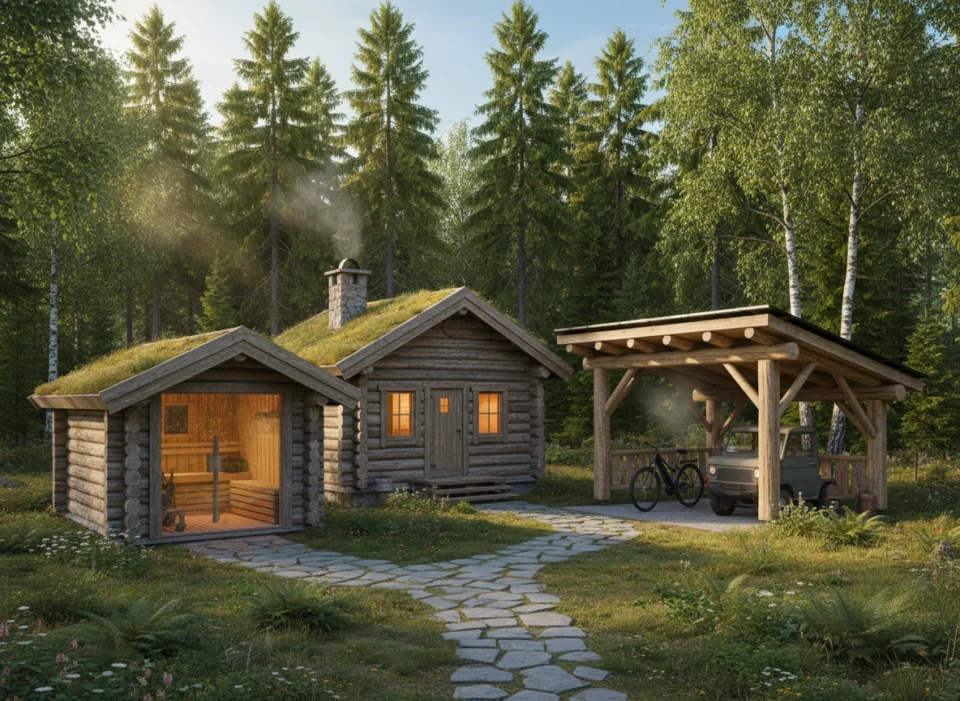
Modern life often feels like a race against the clock. We are constantly plugged in, rushing between appointments, and surrounded by artificial materials. This relentless pace has sparked a significant shift towards “slow living” and sustainable architecture. More homeowners are looking backward to move forward, rediscovering the value of timber structures. Log cabins, outdoor saunas, and timber carports are not just aesthetic choices; they are functional cornerstones of a greener, more intentional way of living.
Integrating these wooden structures into your property does more than just add value. It creates an ecosystem of sustainability right in your backyard. Wood is a renewable resource that locks away carbon, offers incredible insulation, and connects us visually and physically to nature. This guide explores how you can leverage these three timber elements to build a lifestyle that is kinder to the planet and better for your well-being.
The Environmental Case for Timber Architecture
Before diving into specific structures, we need to understand why wood is the hero of sustainable building. Unlike concrete or steel, which have massive carbon footprints due to their energy-intensive manufacturing processes, timber is naturally renewable.
Trees absorb carbon dioxide as they grow. When that wood is harvested and used in construction, the carbon remains stored within the logs for the lifespan of the building. This is often referred to as “carbon sequestration.” By choosing timber products, you are effectively locking carbon away rather than releasing it into the atmosphere.
Furthermore, wood has excellent thermal mass. It absorbs heat during the day and releases it slowly at night, naturally regulating temperature. This means your log structures require less energy to heat and cool, reducing your household’s overall energy consumption.
Log Cabins: The Heart of Eco-Friendly Living
The log cabin is the ultimate symbol of sustainable housing. Whether used as a primary residence, a guest house, or a home office, a log cabin offers a significantly lower environmental impact than a traditional brick-and-mortar build.
Energy Efficiency and Natural Insulation
One of the most immediate benefits of a log cabin is its thermal efficiency. The cellular structure of wood contains air pockets that act as natural insulators. A well-built log cabin can keep you warm in freezing winters and cool during hot summers without relying heavily on HVAC systems.
To maximize this efficiency, focus on:
- Log Thickness: Thicker logs provide better insulation (R-value). Aim for logs that are at least 44mm to 70mm thick for year-round use.
- Quality Joinery: The tightness of the corners and joints determines how airtight the cabin is. Precision-cut logs prevent drafts and heat leakage.
- Double Glazing: Ensure windows and doors are double-glazed to complement the wall insulation.
Sustainable Materials and Sourcing
True sustainability starts with the source. When planning your cabin, verify that the timber comes from sustainably managed forests, such as those certified by the Forest Stewardship Council (FSC) or the Programme for the Endorsement of Forest Certification (PEFC). These certifications ensure that for every tree harvested, new ones are planted, maintaining the forest’s biodiversity and health.
Multi-Functional Living
A log cabin promotes a sustainable lifestyle by reducing the need for commuting. By setting up a garden office, you cut down on daily travel emissions. Alternatively, using a cabin as a “staycation” spot reduces the carbon footprint associated with air travel for holidays. It creates a space for mindfulness and connection with nature, which are key tenets of sustainable mental health.
Outdoor Saunas: Wellness Meets Sustainability
The outdoor sauna is a staple of Nordic culture, where sustainability is a way of life. While it might seem like a luxury, an outdoor timber sauna can be a deeply eco-conscious addition to your home.
The Low-Impact Wellness Solution
Compared to installing a swimming pool or a large indoor spa facility, a timber sauna has a minimal ecological footprint. It requires less water, fewer chemicals, and, if designed correctly, less energy.
Choosing the Right Heater
The heart of the sauna determines its sustainability.
- Wood-Burning Heaters: These are the traditional choice and can be carbon neutral if you burn locally sourced, renewable wood. The experience is authentic, and it disconnects you from the electrical grid entirely.
- Electric Heaters: Modern electric heaters are highly efficient. If your home is powered by solar panels or a green energy tariff, an electric sauna can run with zero emissions. Look for heaters with timers and thermostats to prevent energy waste.
Material Durability
Outdoor saunas must withstand the elements. Choosing naturally durable timber like Thermowood or cedar eliminates the need for harsh chemical treatments. Thermowood, for instance, is heat-treated to resist rot and fungi without adding toxins to the wood. This ensures that as the wood ages or if it is eventually discarded, it won’t leach harmful chemicals into the soil.
Timber Carports: A Green Alternative to Garages
When we think of vehicle storage, we often picture concrete block garages. However, timber carports offer a lighter, more versatile, and environmentally friendly alternative.
Reduced Material Usage
A carport requires significantly fewer materials than a garage. There are no foundations to dig (in many cases), no bricks to fire, and no cement to mix. By using less material, you lower the embodied energy of the structure—the total energy consumed to build it.
Supporting Biodiversity
Unlike a sealed garage, a timber carport is an open structure that can integrate with your garden’s ecosystem.
- Green Roofs: Carports are excellent candidates for green roofs (sedum roofs). These living roofs absorb rainwater, provide insulation, and create a habitat for pollinators like bees and butterflies. They also help combat the “urban heat island” effect by cooling the surrounding air.
- Climbing Plants: You can train climbing plants like jasmine, honeysuckle, or ivy up the timber posts. This adds greenery, absorbs CO2, and blends the structure into the natural landscape.
Solar Integration
The flat or gently sloping roof of a timber carport is often the perfect platform for solar panels. If your house roof faces the wrong direction or is shaded, a strategically placed carport can host a solar array to power your home or charge an electric vehicle (EV). This creates a perfect loop: a sustainable timber structure housing an eco-friendly car, powered by the sun.
Maintenance: The Key to Longevity and Sustainability
The most sustainable building is one that lasts. To ensure your log cabin, sauna, or carport endures for decades, you must adopt proactive maintenance practices. Replacing a structure prematurely is a waste of resources.
Eco-Friendly Treatments
Wood needs protection from UV rays and moisture. Avoid oil-based paints and varnishes high in Volatile Organic Compounds (VOCs), which release harmful gases. Instead, opt for:
- Water-Based Stains: These have lower VOCs and are breathable, allowing moisture to escape from the wood rather than trapping it and causing rot.
- Natural Oils: Linseed oil or tung oil are traditional, natural preservatives that penetrate deep into the wood to repel water.
Regular Inspections
Adopt a seasonal maintenance schedule.
- Spring: Wash down the exterior to remove dirt and algae. Check for any signs of mold or rot, especially near the ground.
- Autumn: Clear gutters and roofs of leaves. Ensure that splashback from rain isn’t hitting the lower logs.
- Winter: Ensure heavy snow is cleared from roofs if it exceeds the load-bearing capacity, although most quality timber structures are designed to handle significant weight.
Conclusion: A Lifestyle of Intent
Building a sustainable lifestyle isn’t just about buying “green” products; it’s about making long-term choices that respect the environment. Log cabins, outdoor saunas, and timber carports represent a commitment to natural materials, energy efficiency, and durability.
By choosing timber, you are voting for renewable resources over industrial concrete. You are creating spaces that require less energy to run and that age gracefully alongside the nature surrounding them. Whether you are working from a garden cabin, recharging in a wood-fired sauna, or parking your EV under a solar-topped carport, you are weaving sustainability into the very fabric of your daily life.
Start small. Evaluate your space and your needs. Could that unused corner of the garden become a sanctuary? Could your car shelter do more for the planet? The shift to a timber-based lifestyle is a rewarding journey—one that benefits you today and the planet tomorrow.
