
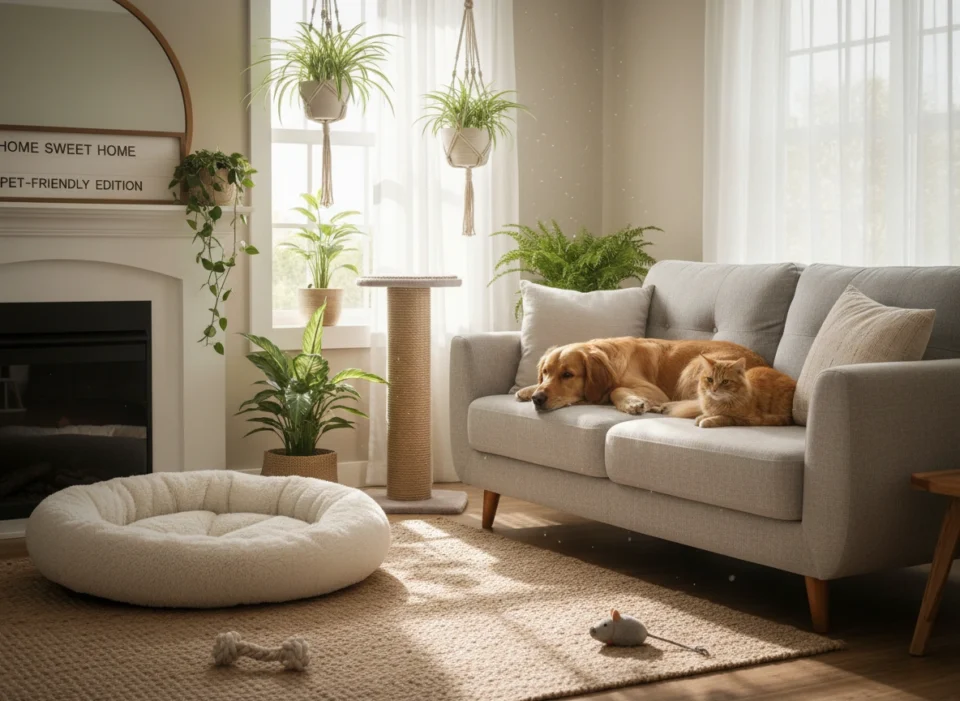
Welcoming a pet into your life brings immense joy, companionship, and a fair amount of responsibility. While we often focus on nutrition and veterinary care, the environment in which our pets live plays an equally critical role in their well-being. A truly pet-friendly home goes beyond simply allowing animals inside; it requires thoughtful design choices that prioritize safety, comfort, and durability.
Whether you are bringing home a new puppy, adopting a senior cat, or simply looking to upgrade your current living space for your furry companions, creating a harmonious environment benefits everyone. A well-designed pet-friendly home minimizes stress for animals, reduces cleaning time for owners, and ensures that your interior design remains stylish without sacrificing functionality.
This guide will walk you through the essential steps of transforming your living space. We will cover how to select durable furniture, establish safe zones, eliminate hazards, and maintain a clean home that both you and your pet can enjoy.
Choosing Pet-Friendly Furniture and Fabrics
One of the biggest challenges for pet owners is maintaining furniture that can withstand claws, fur, and the occasional accident. The key is not to sacrifice style, but to choose materials that are forgiving and durable.
Best Fabrics for Durability
When selecting sofas or chairs, the fabric is your first line of defense. Avoid materials that snag easily, like loose knits, tweed, or silk. Instead, opt for tight weaves.
- Microfiber and Ultrasuede: These synthetic fabrics are champions of the pet world. They are tightly woven, making it difficult for claws to penetrate or snag. Furthermore, they are incredibly easy to clean; most spills wipe right off, and pet hair doesn’t embed itself deep into the fibers.
- Leather and Faux Leather: Leather is an excellent choice for durability. It doesn’t trap odors, and hair simply slides off. If a scratch occurs, distressed leather often blends the mark into its natural patina. However, be cautious with cats, as sharp claws can puncture the material.
- Canvas and Denim: For a more casual look, heavy canvas or denim slipcovers are practical. They are tough, tear-resistant, and, crucially, machine washable.
Furniture Design Considerations
Beyond fabric, the structure of your furniture matters.
- Color Choice: Match your furniture color to your pet’s fur. If you have a black Labrador, a white sofa will show every single hair. A charcoal or slate grey couch will be much more forgiving between vacuuming sessions.
- Legs and Height: Exposed wooden legs can become chewing targets for puppies. Metal legs or furniture with skirted bases can prevent this. Additionally, consider the height of your furniture. Senior pets may struggle to jump onto high beds or sofas. Lower profiles or the addition of pet stairs can protect their joints.
Creating Designated Pet Areas
Just like humans, pets need their own space—a sanctuary where they can retreat when they feel overwhelmed or tired. Integrating these areas into your home design prevents clutter and helps your pet feel secure.
The Sleeping Zone
While many pets end up in their owner’s bed, providing a high-quality alternative is essential for their orthopaedic health.
- Location: Place beds in low-traffic corners of family rooms so pets can be near you without being in the way. Avoid drafty areas near doors or directly under air conditioning vents.
- Bed Selection: Choose a bed appropriate for your pet’s size and sleeping style. “Donut” beds are great for curlers, while flat mats suit stretchers. For older pets, investing in memory foam is non-negotiable for joint support.
The Dining Station
A dedicated feeding station keeps mess contained and establishes a routine.
- Placement: The kitchen or laundry room is usually best for easy cleanup. Ensure the area is quiet; some pets are easily startled while eating, which can lead to digestive issues.
- Equipment: Use heavy ceramic or stainless steel bowls that won’t slide across the floor. Elevated feeders can aid digestion for larger dogs and reduce neck strain. Place a waterproof silicone mat underneath the bowls to catch water spills and stray kibble, protecting your flooring from water damage.
Vertical Space for Cats
Cats live in three dimensions. If you have a feline friend, ignoring vertical space is a missed opportunity.
- Cat Trees and Shelves: Install floating shelves or tall cat trees to allow your cat to survey their domain from above. This is crucial for their mental stimulation and helps reduce anxiety, especially in multi-pet households.
- Window Perches: A simple perch by a window provides hours of entertainment (“Cat TV”) as they watch birds and street activity. Ensure the window is securely screened to prevent escapes.
Ensuring Safety: Pet-Proofing Your Home
A home environment must be safe above all else. Common household items can pose serious threats to curious animals. A thorough audit of your home from your pet’s eye level is necessary.
Hazardous Plants
Many popular houseplants are toxic to cats and dogs. Before bringing greenery inside, verify its safety.
- Toxic Plants: Lilies (highly toxic to cats), Sago Palm, Azaleas, Dieffenbachia, and Philodendrons should be avoided or placed completely out of reach.
- Safe Alternatives: Spider plants, Boston ferns, Bamboo palms, and African violets are lush, beautiful, and non-toxic options.
Kitchen and Bathroom Safety
Chemicals and foods are major hazards in these zones.
- Secure Cabinets: Install child-proof latches on lower cabinets where cleaning supplies, medications, or trash are stored. A curious dog can easily nudge open a cabinet door.
- Trash Cans: Invest in heavy trash cans with step-on lids or locking mechanisms. Bones, food wrappers, and spoiled food can cause choking or severe gastrointestinal blockages.
- Toilet Lids: Keep toilet lids down. Not only is toilet water unsanitary, but small pets can also fall in and risk drowning.
Electrical Cords and Small Objects
- **Cable Management:**Loose wires are tempting chew toys for puppies and kittens. This risks electrocution and fire. Use cord concealers, PVC pipe, or bitter apple spray to deter chewing.
- Choking Hazards: Be vigilant about small items like rubber bands, hair ties, coins, and children’s toys (like LEGOs). These are easily swallowed and often require surgical removal.
Flooring: The Foundation of a Pet-Friendly Home
Flooring takes the most abuse in a pet owner’s home. You need surfaces that resist scratches, handle moisture, and provide traction.
Ideal Flooring Options
- Luxury Vinyl Tile (LVT): This is widely considered the top choice for pet owners. It is waterproof, highly scratch-resistant, mimics the look of wood or stone, and is softer underfoot than tile.
- Tile and Stone: Extremely durable and easy to clean. It’s cool in the summer, which pets love. However, it can be slippery. Use rugs to provide traction for older pets.
- Bamboo: Harder than many hardwoods, bamboo is sustainable and durable, though you should choose a high-quality brand to ensure scratch resistance.
Carpeting Considerations
Wall-to-wall carpet is generally difficult with pets due to staining and odor retention. If you prefer carpet:
- Low Pile: Choose low-pile carpets where loops won’t snag claws.
- Carpet Tiles: These are a brilliant solution. If a pet has an accident that can’t be cleaned, you can simply replace the soiled square rather than the entire carpet.
- Area Rugs: Use area rugs over hard flooring. They add warmth and are easier to send out for professional cleaning or replace cheaply if ruined.
Maintaining Cleanliness and Hygiene
A clean home is a healthy home. Managing fur, dander, and odors requires a proactive approach and the right tools.
Managing Fur and Dander
- Grooming Routine: The most effective way to keep fur off your furniture is to keep it off your pet. Regular brushing (daily for some breeds) dramatically reduces shedding.
- High-Efficiency Vacuums: Invest in a vacuum cleaner specifically designed for pets, featuring HEPA filters to trap dander and strong suction for stubborn hair. Vacuuming should be a weekly ritual at minimum.
- Air Purifiers: Place air purifiers with HEPA filters in the rooms your pets use most. This captures airborne allergens and helps neutralize odors.
The Entryway “Mud Room”
Create a transition zone at your entryway to stop dirt before it enters the main living space.
- Heavy Duty Mats: Place absorbent mats on both the inside and outside of the door to trap mud and moisture.
- Wipe-Down Station: Keep a basket with an old towel and a spray bottle of water or paw wipes near the door. Wiping paws after every walk becomes a quick habit that saves your floors.
Cleaning Accidents
Accidents happen. How you clean them determines if they become a permanent problem.
- Enzymatic Cleaners: Avoid ammonia-based cleaners, as the scent mimics urine and may encourage pets to re-mark the spot. Use enzymatic cleaners that break down the proteins in urine, eliminating the odor completely for the animal, not just masking it for the human nose.
Conclusion
Creating a pet-friendly home environment is a balancing act between design aesthetics and practical functionality. It requires looking at your living space through the eyes of your companion—seeing the potential dangers in a dangling cord, the comfort in a sunny window spot, and the necessity of a non-slip floor.
By investing in durable materials, securing hazardous areas, and dedicating specific zones to your pet’s needs, you build a home that supports their health and happiness. The result is a living space where you don’t have to worry constantly about messes or safety, allowing you to focus on what matters most: enjoying the unconditional love and companionship of your pet.
Start with small changes today—perhaps securing a trash can or buying a new throw for the sofa—and gradually work toward a fully optimized environment that welcomes every member of your family, two-legged or four.Please visit this website for more info.
You may also read: The Ultimate Guide to Organizing a Minimalist Home
