
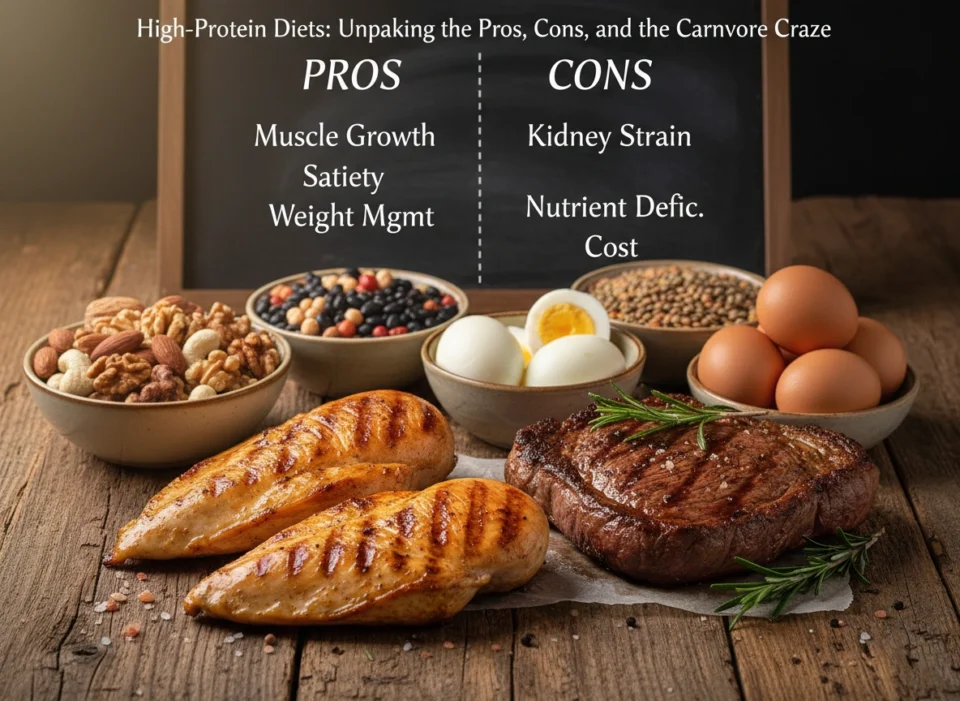
High-protein diets have captured significant attention in the worlds of health, fitness, and wellness. From athletes looking to build muscle to individuals seeking effective weight loss strategies, the appeal of focusing on protein is strong. Among the most extreme and discussed versions is the Carnivore Diet, an all-meat regimen that challenges conventional dietary wisdom.
But what does the science say about prioritizing protein above all else? This in-depth analysis will explore the benefits and drawbacks of high-protein diets, using the Carnivore Diet as a specific case study. We will cover the science, potential health outcomes, and practical considerations to help you understand this popular nutritional approach.
The Science Behind High-Protein Diets
At its core, a high-protein diet involves consuming a larger percentage of your daily calories from protein sources than recommended by standard dietary guidelines. While typical recommendations suggest protein should make up 10-35% of daily calories, high-protein plans often push this figure to 30% or more.
The rationale behind this approach is rooted in how the body processes macronutrients. Protein plays several key roles:
- Satiety and Appetite Control: Protein is the most satiating macronutrient. It takes longer to digest than carbohydrates and has a more significant effect on hormones that signal fullness, such as peptide YY and GLP-1. By helping you feel full for longer, a high-protein intake can naturally lead to a reduction in overall calorie consumption.
- Thermic Effect of Food (TEF): The body uses energy to digest, absorb, and metabolize the food you eat. This is known as the thermic effect of food. Protein has a much higher TEF (20-30%) compared to carbohydrates (5-10%) and fats (0-3%). This means your body burns more calories simply by processing protein.
- Muscle Maintenance and Growth: Protein provides the essential amino acids that are the building blocks of muscle tissue. During weight loss, a higher protein intake helps preserve lean muscle mass, which is crucial for maintaining a healthy metabolism. For those looking to build strength, adequate protein is necessary for muscle repair and synthesis after exercise.
Potential Benefits of a High-Protein Approach
Many people who adopt high-protein diets report significant positive changes. These benefits are often linked to the metabolic effects of protein and the corresponding reduction in processed carbohydrates and sugars.
1. Effective Weight Loss:
One of the most celebrated benefits is weight management. The combination of increased satiety, a higher thermic effect, and the preservation of muscle mass creates a powerful formula for fat loss. By feeling fuller and burning more calories through digestion, individuals often find it easier to maintain a calorie deficit without feeling deprived or constantly hungry.
2. Muscle Building and Preservation:
For athletes and fitness enthusiasts, high-protein diets are a cornerstone of their nutritional plans. Consuming sufficient protein supports muscle protein synthesis, the process by which the body repairs and builds new muscle fibers after a workout. Even for non-athletes, preserving muscle mass is vital, especially as we age. Sarcopenia, or age-related muscle loss, can be slowed with adequate protein intake and resistance training.
3. Improved Metabolic Health Markers:
Some research suggests that high-protein diets can lead to improvements in certain markers of metabolic health. By reducing the intake of refined carbohydrates, these diets can help lower triglyceride levels and improve blood pressure. For some individuals, better blood sugar control is another reported benefit, as protein has a minimal impact on blood glucose levels compared to carbohydrates.
The Carnivore Diet: A Case Study in High-Protein Extremes
The Carnivore Diet takes the high-protein, low-carbohydrate concept to its ultimate conclusion. It consists entirely of animal products: meat, fish, eggs, and sometimes dairy. All plant-based foods—fruits, vegetables, grains, nuts, and seeds—are eliminated. Proponents claim it can resolve a wide range of health issues, from autoimmune conditions to mental health problems, by eliminating potential plant-based irritants and inflammatory compounds.
While anecdotal reports from followers are often glowing, citing weight loss, mental clarity, and reduced inflammation, the Carnivore Diet exists far outside mainstream nutritional science and comes with significant potential risks.
Risks and Drawbacks of High-Protein Diets
Despite the potential upsides, a dietary pattern heavily skewed toward protein, especially one as restrictive as the Carnivore Diet, is not without its concerns.
1. Nutrient Deficiencies:
One of the most significant risks, particularly with restrictive diets like the Carnivore Diet, is the potential for nutrient deficiencies. Plant-based foods are the primary sources of many essential vitamins, minerals, and compounds, including:
- Fiber: Crucial for digestive health, gut motility, and feeding beneficial gut bacteria. A lack of fiber can lead to constipation and may negatively impact the gut microbiome over time.
- Vitamin C: Essential for immune function and collagen synthesis. While fresh meat contains trace amounts, it is not a reliable source.
- Phytonutrients and Antioxidants: These plant compounds have been shown to protect against chronic diseases by reducing oxidative stress and inflammation. Eliminating them removes a major layer of dietary defense.
2. Potential Strain on Kidneys:
A long-standing concern about high-protein diets is their potential impact on kidney function. The kidneys are responsible for filtering waste products from protein metabolism, such as urea. For individuals with pre-existing kidney disease, a high-protein load can exacerbate their condition. However, for people with healthy kidneys, current research suggests that a high-protein intake is generally safe and does not cause kidney damage.
3. Long-Term Health Concerns:
The long-term effects of consuming a diet very high in animal protein, particularly red and processed meats, remain a subject of debate and research. Some large-scale observational studies have linked high intakes of red meat to an increased risk of certain chronic diseases, including colorectal cancer and heart disease. While correlation does not equal causation, and other lifestyle factors may be at play, the complete absence of protective plant foods in a diet like the Carnivore plan is a significant variable to consider.
4. Social and Practical Challenges:
Following a very restrictive high-protein diet can be socially isolating and difficult to maintain. Eating out, attending social gatherings, and traveling can become complicated. The lack of variety can also lead to diet fatigue, making it a challenging lifestyle to sustain in the long run.
Practical Considerations for a Balanced Approach
If you are considering increasing your protein intake, it is not necessary to adopt an extreme regimen. A balanced approach can help you reap the benefits while minimizing the risks.
- Choose High-Quality Protein Sources: Focus on a variety of lean meats, poultry, fish, eggs, and dairy. If you include plant-based foods, legumes, tofu, and quinoa are also excellent sources.
- Don’t Neglect Other Nutrients: Ensure your diet remains rich in fruits, vegetables, and whole grains to get adequate fiber, vitamins, and minerals. A colorful plate is generally a healthy plate.
- Hydration is Key: Drinking plenty of water is important on any diet, but it is especially so when consuming more protein to help your kidneys process metabolic waste.
- Consult a Professional: Before making any drastic changes to your diet, it is always wise to speak with a doctor or registered dietitian. They can help you create a plan that is safe, effective, and tailored to your individual health needs and goals.
A Balanced Conclusion
High-protein diets offer tangible benefits, especially for weight loss and muscle maintenance, due to protein’s powerful effects on satiety and metabolism. However, the degree to which one takes this approach matters significantly. Moderately increasing protein within a balanced, whole-foods diet is a sustainable and well-supported strategy for improving health.
In contrast, extreme versions like the Carnivore Diet present considerable risks, including nutrient deficiencies and potential long-term health consequences. While appealing in its simplicity, the elimination of all plant foods runs contrary to a vast body of evidence supporting the health benefits of a varied, plant-rich diet.
Ultimately, the best dietary pattern is one that is nutritionally complete, sustainable for your lifestyle, and makes you feel your best. For many, that may mean a thoughtful increase in protein, not a complete overhaul of their plate.Please visit this website for more info.
You may also read: The Nutritional Power of Dragon Fruit
