

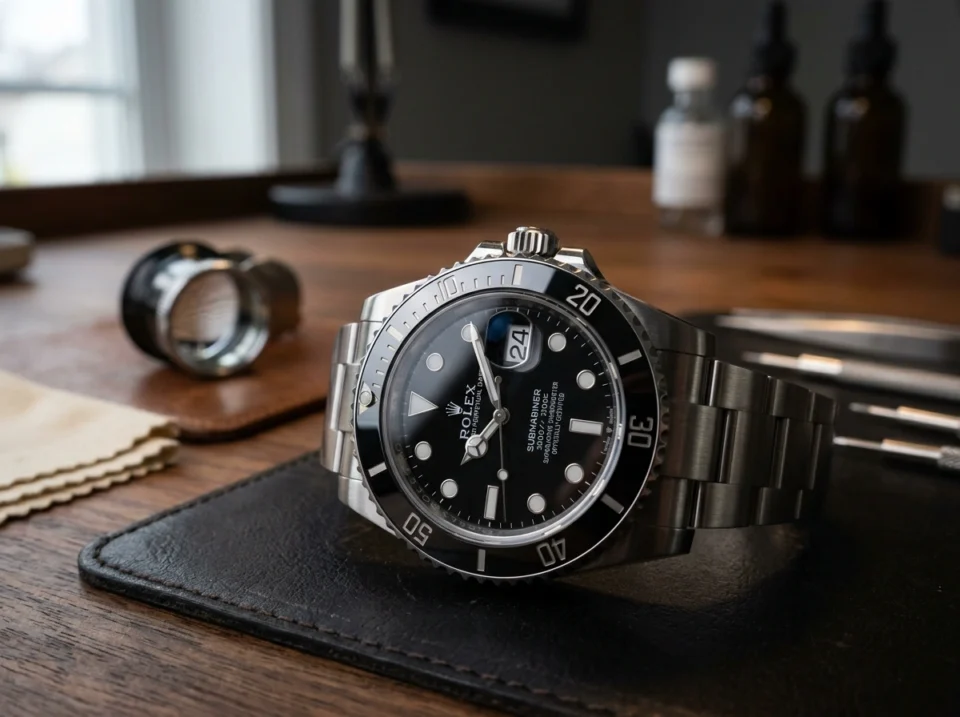
The market for counterfeit luxury watches is bigger than most people realize. Rolex sits at the very top of that list, making it the most copied watch brand on the planet. Whether you are a curious collector, a first-time buyer, or someone who simply stumbled across a “too good to be true” deal online, understanding how this shadow market works can save you money, legal headaches, and a fair amount of regret.
This guide breaks down the language, the quality tiers, and the hard truths behind imitation Rolex watches. The goal is not to encourage a purchase but to help you make informed, smart decisions.
The Terms You Need to Know
The counterfeit and tribute watch world has its own vocabulary. Sellers often use these words loosely, so knowing the real meaning protects you from confusion and false advertising.
Replica. This term describes a watch built to copy a genuine Rolex as closely as possible, including the logo and branding. A replica is a counterfeit. It carries the Rolex name without authorization, which makes selling it illegal in the United States.
Homage. An homage watch pays tribute to a famous design without copying the trademark. These watches borrow styling cues, like a specific bezel shape or dial layout, but they carry their own brand name. Homage pieces are legal because they do not pretend to be something they are not.
Super Clone. This is the highest grade of counterfeit. A super clone aims to copy the original down to the movement, weight, and finishing. Sellers market these as nearly indistinguishable from the real thing, and they often command higher prices than lower-grade fakes.
Franken Watch. This is a watch assembled from a mix of genuine and aftermarket parts. A franken watch may contain a real case with a fake dial or a swapped movement. These are common in the used market and can trip up even experienced buyers.
Aftermarket Parts. These are components made by third parties rather than Rolex. Adding aftermarket parts to a genuine watch can void its authenticity and crush its resale value.
Understanding these terms is the first step. If you ever want a deeper look at how a Fake rolex is graded and marketed, resources dedicated to the topic can give you a clearer picture of what circulates online.
The Tiers of Fake Rolex Watches
Not all counterfeits are created equal. The market generally splits into several quality tiers, and the differences are dramatic.
Low-Tier Fakes
These are the watches you see in street stalls, flea markets, and sketchy online listings for $20 to $100. They use cheap materials, misspelled text, quartz movements where automatics belong, and obvious flaws. A trained eye spots them instantly. They will not pass for genuine and rarely last more than a season before failing.
Mid-Tier Fakes
This group costs more, often $150 to $500. The materials improve, the weight feels closer to authentic, and the branding looks cleaner. Still, the movements are unreliable, the engravings lack precision, and the waterproofing is essentially nonexistent. Casual observers might be fooled, but a jeweler will not.
High-Tier and Super Clones
This is where the market gets serious. Super clones can cost $400 to well over $1,000. Sellers invest in cloned movements, correct case dimensions, and accurate dial printing. Some even replicate the serial engravings and weight distribution. While they may fool the untrained eye and sometimes a casual professional, they are still counterfeits and still illegal to sell under the Rolex name.
The key takeaway is simple. No matter how good a fake looks, it has no legitimate resale value, no warranty, and no genuine craftsmanship behind it.
The Real Risks of Buying Counterfeits
Buying a fake Rolex is not a harmless shortcut to luxury. The consequences stretch across legal, financial, and ethical lines.
Legal risks. In the United States, trafficking counterfeit goods is a federal crime. Selling fakes can lead to fines and prison time. Even buyers face risk. Bringing a counterfeit watch through U.S. Customs can result in seizure and penalties. Trademark law takes brand protection seriously, and Rolex is aggressive about enforcement.
Financial risks. Counterfeits hold no lasting value. A genuine Rolex can appreciate over time and serve as an asset. A fake is worth nothing the moment you buy it. Worse, scammers in this unregulated market frequently take payment and ship nothing, or send a far lower grade than promised. You have little recourse when the seller operates in the shadows.
Ethical risks. The counterfeit trade is often linked to organized crime and exploitative labor practices. Your purchase may fund operations far darker than a knockoff watch. For many buyers, that connection alone is reason enough to walk away.
How to Spot a Fake Rolex
Whether you want to avoid being scammed or verify a secondhand purchase, these checks help you separate genuine from fake.
- Weight. Real Rolex watches use high-grade metals and feel substantial. Many fakes feel light and hollow.
- The second hand. A genuine automatic Rolex sweeps smoothly. Cheap fakes tick in visible steps.
- The cyclops lens. On a real Rolex, the date magnifies about 2.5 times and sits crisp and centered. Fakes often show weak or off-center magnification.
- Engravings. Genuine engravings are sharp and precise. Look for fuzzy edges, uneven spacing, or misspellings.
- The caseback. Most authentic Rolex watches have a smooth, solid caseback. A clear caseback showing the movement is almost always a red flag.
- Serial and model numbers. These should be cleanly engraved between the lugs and match the paperwork.
When in doubt, take the watch to an authorized Rolex dealer or a certified watchmaker. Professional authentication is the only way to be completely sure.
What Every Buyer Should Know Before Buying Any Luxury Watch
If you want a real Rolex, a few principles will protect you and your investment.
Buy from authorized sources. Authorized dealers and reputable certified pre-owned sellers guarantee authenticity. The savings from an unverified seller are never worth the risk.
Demand the paperwork. Original box, warranty card, and service records add value and confirm legitimacy. Be cautious when these are missing.
Research current market prices. Know what a specific model sells for. A price far below market is a warning sign, not a bargain.
Get independent verification. Before any significant purchase, have a trusted watchmaker inspect the piece. A small inspection fee can save you thousands.
Understand resale value. Genuine Rolex models often hold or grow their value. That long-term worth is something no counterfeit can ever offer.
The Bottom Line
The world of fake Rolex watches runs on clever marketing and confusing terminology. Once you understand the terms, recognize the quality tiers, and respect the real risks, you are far better equipped to navigate any luxury watch purchase.
A genuine Rolex is more than a status symbol. It is a piece of craftsmanship and, often, a sound investment. A counterfeit offers none of that, no matter how convincing it appears. Knowledge is your strongest tool. Use it, buy smart, and let your next watch be one you can wear with confidence.
