
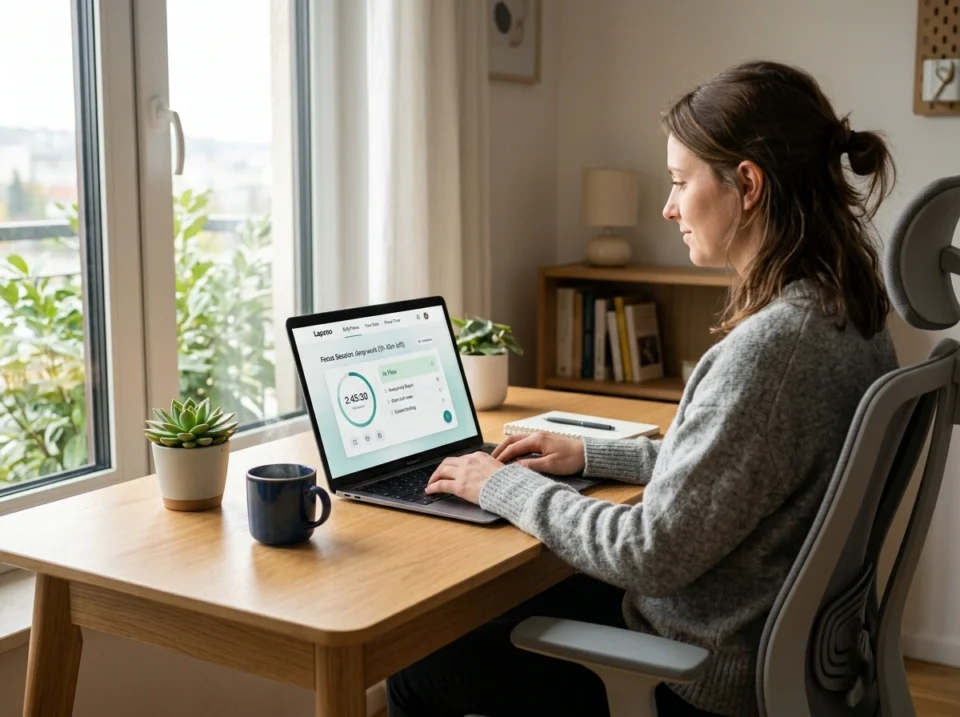
Remote work has reshaped how Americans earn a living. What started as a pandemic-era necessity has become a permanent fixture across industries, from tech startups in Austin to marketing agencies in New York. Yet for all its freedom, working from home brings a quiet struggle that few talk about openly: staying focused. If you’ve ever sat down at 9 a.m. with a clear plan, only to look up at 3 p.m. wondering where the day went, you’re not alone. This article explores why focus has become the biggest challenge for remote workers and how Lapzoo helps people reclaim their attention, one productive day at a time.
The Rise of Remote Work in America
Remote work is no longer a perk. It’s a baseline expectation for millions of professionals. Studies consistently show that a large share of U.S. employees now work fully remote or in hybrid arrangements, and many say they’d switch jobs before returning to a daily commute.
This shift makes sense. Workers save hours each week, cut commuting costs, and gain flexibility to manage family and personal needs. Employers benefit too, often reporting wider talent pools and lower overhead. But the same freedom that makes remote work appealing also removes the structure that an office naturally provides.
In a traditional workplace, the environment does part of the focusing for you. Colleagues are heads-down at their desks. Meeting rooms signal serious work. Background noise stays predictable. At home, those cues vanish. The result is a productivity gap that tools and habits must fill.
Why Remote Workers Struggle With Daily Focus
Focus isn’t a personality trait. It’s a skill shaped by your environment, your tools, and your routines. When you work remotely, several forces work against you at once.
Constant Digital Distractions
Your home office is also your entertainment center, social hub, and personal command station. Notifications from email, Slack, texts, and social media pull your attention in a dozen directions. Research on task-switching shows that every interruption costs real time, since your brain needs several minutes to fully re-engage with deep work after each break.
Blurred Work-Life Boundaries
Without a commute to separate “home you” from “work you,” the two blend together. Laundry calls during a conference call. A work email arrives at dinner. This constant overlap drains mental energy and makes it harder to enter a focused state during actual work hours.
Lack of Physical Structure
Many remote workers improvise their setups, perching laptops on kitchen counters or working from the couch. Poor ergonomics lead to discomfort, fatigue, and frequent breaks, all of which chip away at concentration. A body that hurts is a mind that wanders.
Isolation and Motivation Dips
Working alone for long stretches can sap motivation. Without the social accountability of coworkers nearby, it’s easy to drift, procrastinate, or lose the sense of urgency that drives productive output.
The Role of Ergonomic and Productivity Tools
The good news is that focus can be engineered. The right tools rebuild the structure that an office once provided, and they do it in a way tailored to how you actually work.
Ergonomics That Support Sustained Attention
Comfort and concentration are deeply linked. When your setup supports good posture, proper screen height, and reduced strain, your body stops competing for your attention. You can work longer without the aches that force you to get up and lose your place.
Tools That Reduce Friction
Every small annoyance in your workflow is a tiny exit ramp away from focus. The best productivity tools remove that friction. They organize your day, minimize distractions, and make it easy to slip back into deep work after a necessary break. The goal isn’t to add more apps. It’s to create a smoother path to getting things done.
Systems That Build Daily Consistency
Focus thrives on routine. Tools that help you plan your day, set clear priorities, and track progress turn good intentions into repeatable habits. When focus becomes a system rather than a daily battle of willpower, productivity follows naturally.
How Lapzoo Helps Remote Workers Stay Focused
This is where lapzoo enters the picture. Designed with the modern remote worker in mind, Lapzoo addresses the focus problem head-on by combining smart design with practical, everyday usability. Here’s how it makes a difference.
A Setup Built for Deep Work
Lapzoo is built around the idea that your workspace should work for you, not against you. By prioritizing comfort and a clean, distraction-free experience, it helps you settle into focused work faster and stay there longer. When your environment supports concentration, you spend less energy fighting distractions and more energy doing meaningful work.
Designed for the Way Americans Work Today
Remote professionals across the U.S. juggle different schedules, time zones, and home situations. Lapzoo’s flexible approach fits a wide range of work styles, whether you’re a freelancer in Denver balancing multiple clients or a full-time employee in Atlanta managing back-to-back video calls. It adapts to your day instead of forcing you into a rigid mold.
Helping You Reclaim Lost Hours
Those scattered minutes lost to distractions add up fast. Over a week, they can total hours of unproductive time. By streamlining your workflow and reducing the friction that pulls you off task, Lapzoo helps you recover that time and channel it into work that actually matters. Many users find that the biggest benefit isn’t just getting more done, but finishing the workday with energy to spare.
Supporting Healthier Work Habits
Focus and well-being go hand in hand. By encouraging better routines and a more comfortable working experience, Lapzoo helps prevent the burnout that comes from grinding through long, distracted days. Healthier habits lead to more sustainable productivity, which matters far more than any single high-output afternoon.
Practical Tips to Maximize Your Focus
Tools work best alongside smart habits. Here’s a quick checklist to pair with your Lapzoo setup:
- Define a clear start and stop time to protect your work-life boundaries.
- Batch your distractions by checking email and messages at set intervals rather than constantly.
- Set up a dedicated workspace that signals “work mode” the moment you sit down.
- Take intentional breaks to recharge, using techniques like timed work sprints.
- Plan tomorrow before you log off, so you start each day with direction.
Combine these habits with the right tools, and focus stops feeling like a struggle and starts feeling like second nature.
Conclusion
Remote work offers tremendous freedom, but that freedom comes with a real cost to focus. Digital distractions, blurred boundaries, and improvised setups quietly erode productivity for millions of American workers. The solution isn’t more willpower. It’s the right combination of supportive tools and consistent habits. Lapzoo gives remote workers a smarter way to structure their day, reduce friction, and protect their attention so they can do their best work without burning out. If you’re ready to take back control of your focus, the next step is simple: rethink your setup and build a daily routine that works for you. Your most productive workdays are within reach.
