
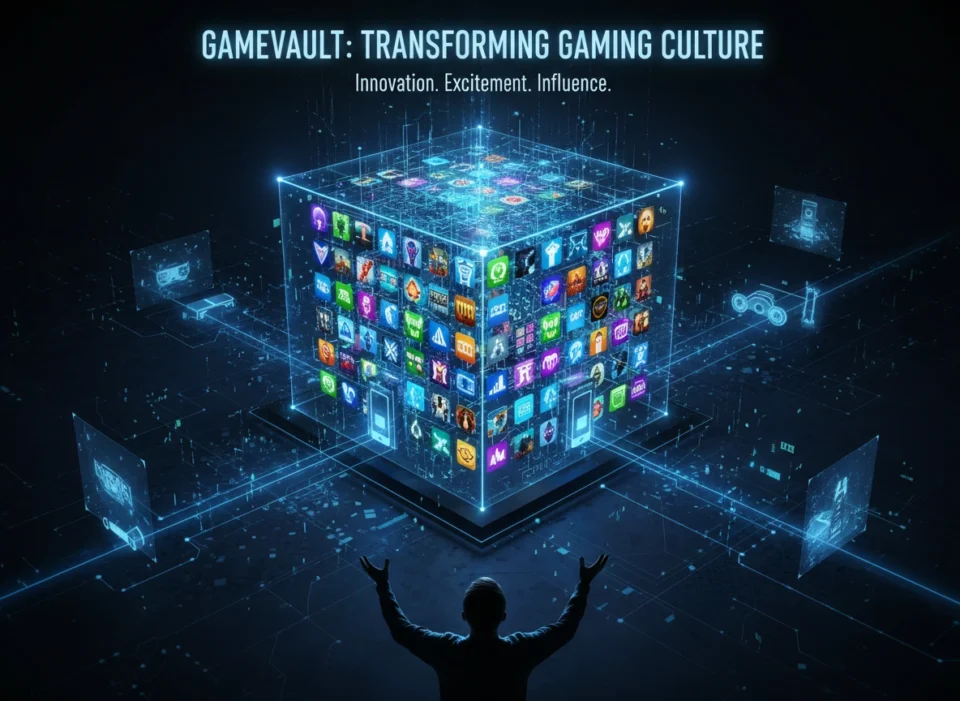
The gaming ecosystem evolves at a breakneck pace, driven by platforms that change how we play, create, and connect. Gamevault emerged not just as another digital storefront, but as a foundational shift in how games reach audiences. It redefined expectations for both casual players and dedicated developers.
By dismantling traditional barriers to entry, Gamevault has sparked a new era of digital distribution. This article explores the precise mechanisms through which Gamevault has influenced the broader market. You will learn about its technological innovations, its contributions to modern gaming culture, and the unprecedented opportunities it creates for industry collaboration.
Revolutionizing Game Distribution and Access
For decades, getting a game into the hands of players required navigating a maze of publishers, physical distributors, and restrictive platform holders. Gamevault disrupted this archaic model by offering a streamlined, accessible pipeline.
Empowering Independent Developers
Independent studios historically struggled to secure visibility alongside massive AAA titles. Gamevault changed this dynamic by introducing algorithm-driven discovery tools that prioritize player engagement over marketing budgets. Developers now have direct access to a global audience without needing a traditional publishing deal.
The platform provides robust analytics, allowing creators to understand player behavior and tailor their updates accordingly. This direct feedback loop helps small teams refine their games in real-time. Consequently, we have seen a massive surge in successful indie titles that might have otherwise gone unnoticed. Gamevault effectively democratized success, proving that compelling gameplay matters more than a massive advertising spend.
Expanding Player Choice
Players also reap the benefits of this open ecosystem. Gamevault’s centralized library system allows users to curate vast collections of games across multiple genres and styles. Instead of buying games through fractured, publisher-specific launchers, consumers now enjoy a unified interface.
Furthermore, the platform’s flexible pricing models and seasonal events make gaming more affordable. Players can discover experimental titles and niche genres risk-free through tiered subscription options or targeted promotions. This increased accessibility has broadened the demographic of the average gamer, bringing new audiences into the fold.
Technological Innovations Driving the Industry
Gamevault does not just host games; it provides the technological infrastructure that makes modern gaming seamless. Its engineering team continually pushes the boundaries of what a digital platform can achieve.
Cloud Integration and Seamless Play
One of Gamevault’s most significant achievements is its flawless cloud integration. Players expect to move between devices without losing their progress, and Gamevault made this a standard feature rather than a luxury. Cloud save synchronization happens instantly in the background, allowing a user to transition from a desktop PC to a portable handheld device effortlessly.
Beyond save data, Gamevault heavily invested in cloud computing infrastructure to support intensive multiplayer networking. Developers can leverage Gamevault’s servers to host stable, high-tick-rate matches. This reduces the overhead costs for studios while ensuring a smooth, lag-free experience for the end user.
Cross-Platform Collaboration
Before Gamevault’s ascendancy, multiplayer ecosystems were often walled gardens. Players on one system could not interact with friends on another. Gamevault championed the push for cross-platform play, creating backend APIs that allow different hardware ecosystems to communicate seamlessly.
By providing developers with standardized cross-play tools, Gamevault forced the rest of the industry to adapt. Major hardware manufacturers eventually dismantled their barriers, realizing that unified player bases generate more long-term engagement. This shift fundamentally altered the multiplayer landscape, prioritizing community unity over corporate exclusivity.
Shaping Gaming Culture and Communities
Games are no longer solitary experiences; they are vibrant social hubs. Gamevault recognized this early and built community features directly into the core of its platform.
Building Unified Social Ecosystems
Gamevault transformed the digital storefront into a social network. Players can share screenshots, write detailed reviews, and broadcast their gameplay directly from the client. These features turn every game release into a community event.
The introduction of user-generated content workshops within Gamevault further solidified this culture. Modders and creators can easily share their custom levels, skins, and total conversions with the click of a button. This system extends the lifespan of games by years, fostering dedicated communities that continually inject new life into classic titles. Gamevault proved that when you give players the right tools, they will actively contribute to a game’s legacy.
Economic Ripple Effects on the Gaming Ecosystem
The financial structures of the gaming industry have undergone massive changes due to Gamevault’s market presence. The platform introduced economic models that challenge industry norms.
Fair Revenue Models for Creators
Gamevault disrupted the standard revenue split that dominated the industry for years. By offering developers a more generous cut of their sales, the platform ignited a competitive war among digital storefronts. Creators suddenly had the leverage to demand better terms across all distribution channels.
This financial shift means studios can reinvest more capital into their development cycles. Better revenue shares lead to healthier studio environments, reduced crunch times, and ultimately, higher-quality games. Furthermore, Gamevault’s microtransaction and downloadable content (DLC) guidelines push for transparency, protecting consumers from predatory monetization practices.
Creating Secondary Markets
Gamevault also pioneered secure digital economies. Through its secure trading systems, players can exchange in-game items, cosmetics, and digital collectibles safely. This secondary market provides continuous engagement even when players are not actively running a game.
Developers benefit from these micro-economies by taking a small fraction of trading fees, creating a sustainable, long-term revenue stream. Gamevault meticulously regulates this market to prevent fraud, setting the gold standard for how digital asset exchanges should operate in gaming.
Looking Ahead: Gamevault and the Future of Gaming
As we look toward the future, Gamevault shows no signs of slowing down. The platform is actively investing in emerging technologies like virtual reality (VR) and augmented reality (AR). By providing open-source tools for VR development, Gamevault aims to make immersive gaming accessible to smaller studios.
Additionally, Gamevault is heavily researching artificial intelligence applications for game testing and procedural generation. These tools will soon integrate directly into the developer suite, drastically reducing the time required to build massive, open-world environments. The platform remains committed to providing the foundation upon which the next generation of interactive entertainment will be built.
Conclusion
Gamevault has fundamentally altered the trajectory of the gaming industry. It broke down distribution barriers for independent developers and united isolated player bases through cross-platform innovation. By championing fair revenue models and robust community tools, Gamevault established a new standard for what a digital platform should be.
To stay ahead of the curve, developers must continue exploring the powerful APIs and community tools Gamevault provides. Players, meanwhile, can look forward to an increasingly unified, accessible, and innovative gaming landscape. If you are a creator looking to launch your next project, review Gamevault’s developer documentation to leverage these powerful distribution tools for your own success.
Please visit this website for more info.
