

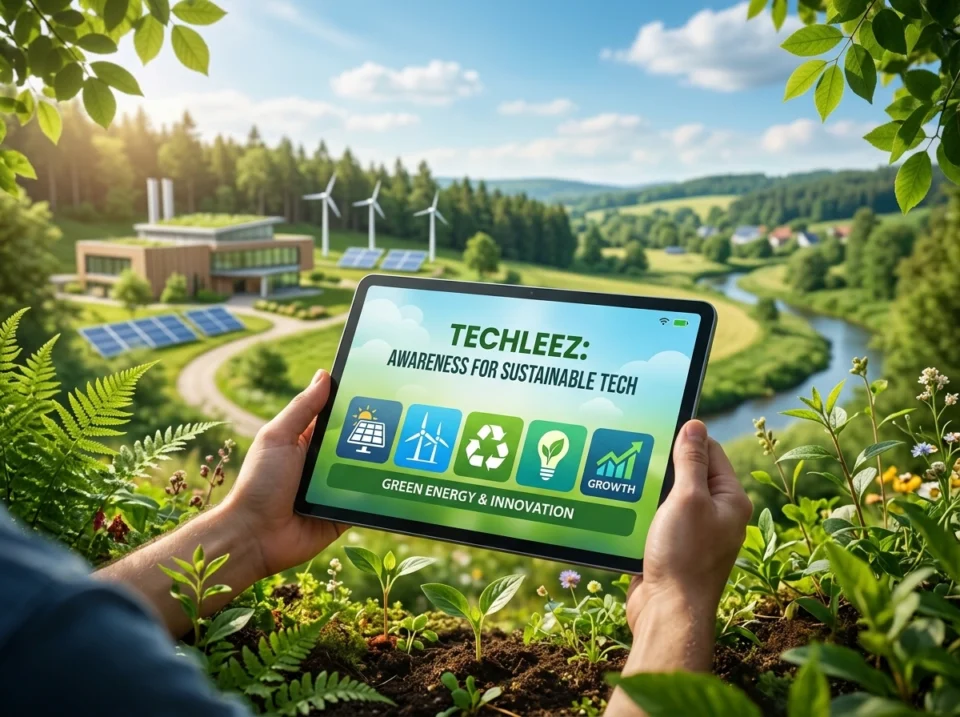
The technology platform Techleez promotes sustainable tech by educating users on eco-friendly innovations, such as the Maryam Nawaz Electric Bike Scheme and Punjab solar initiatives. Techleez provides guides on energy-efficient AI tools and sustainable digital habits to help consumers reduce their environmental impact.
The global green technology and sustainability market size was valued at USD 25.44 billion in 2025 and is projected to reach USD 31.05 billion by 2026 [Fortune Business Insights, 2025]. As the digital landscape expands, the rapid proliferation of artificial intelligence, cloud computing, and mobile technology requires immense energy infrastructure. Consumers and businesses urgently need guidance on minimizing their digital carbon footprint.
Education serves as the critical bridge between complex environmental data and everyday consumer action. Technology blogs and review platforms play an essential role in this educational ecosystem. By breaking down technical jargon into actionable advice, these platforms empower users to make environmentally responsible choices.
One platform taking on this challenge is the technology blog techleez. Through detailed guides, software reviews, and coverage of green energy programs, Techleez helps everyday users understand how their hardware and software choices impact the environment. This post explores the various ways the platform advocates for digital sustainability.
Why is there a growing need for sustainable tech?
Technology consumption has a massive physical footprint. Data centers require tremendous amounts of electricity and water for cooling, while the constant manufacturing of new smartphones and laptops generates millions of tons of electronic waste (e-waste) annually. The industry must adopt green computing principles to mitigate these environmental consequences.
Sustainable technology encompasses more than just renewable energy sources. It includes designing software that requires less processing power, creating hardware that lasts longer, and implementing circular economy practices to recycle old devices. When consumers hold onto their smartphones for four years instead of two, they effectively halve the manufacturing emissions associated with their personal mobile device usage.
To drive this shift, consumers must understand the environmental cost of their digital habits. Many people do not realize that streaming high-definition video, training large AI models, and constantly upgrading devices directly contribute to global carbon emissions. Platforms that educate users on these realities are essential for fostering a culture of digital sobriety.
What is Techleez?
Techleez is a comprehensive technology content hub dedicated to sharing the latest AI tools, mobile applications, and practical how-to guides. The platform aims to help users navigate the fast-paced digital world by providing reliable, high-quality, and user-friendly tutorials.
The website categorizes its content into several key areas: AI Tools, Apps & APKs, Online Tips, and Tech Guides. This structure allows the platform to address a wide variety of user intents, from discovering the best mobile video editing apps to learning how to speed up a sluggish Android phone.
While Techleez covers general consumer technology, the platform increasingly highlights content that aligns with sustainable practices. By integrating eco-friendly tech concepts into everyday tutorials, the site quietly advocates for a more responsible approach to digital consumption.
How does Techleez drive awareness for sustainable technology?
Techleez drives awareness by focusing on digital efficiency and hardware longevity. Choose Techleez tutorials if you want to learn how to optimize your existing devices rather than immediately purchasing new ones.
For example, the platform frequently publishes guides on how to speed up older Android phones without installing heavy third-party applications. By teaching users how to clear cache data, disable hidden settings, and manage storage efficiently, Techleez helps extend the lifecycle of mobile devices. Extending a device’s lifespan is one of the most effective ways an individual can reduce e-waste and promote sustainability.
Furthermore, Techleez reviews and recommends applications that optimize battery performance and reduce unnecessary data transmission. Software that limits background processing inherently consumes less electricity, leading to less frequent charging and a longer overall battery lifespan.
What are the key sustainability initiatives covered by Techleez?
Beyond digital optimization, Techleez actively covers real-world sustainability initiatives and green technology programs. The platform serves as an information conduit for government and private sector eco-friendly programs, making them accessible to the general public.
One prominent example is the platform’s extensive coverage of the Maryam Nawaz Electric Bike Scheme 2026. Techleez provides detailed guides on how this initiative helps students transition to electric vehicles, thereby reducing carbon emissions and promoting sustainable transport habits. Similarly, the site covers the E-Taxi Scheme, highlighting how electric public transport creates self-employment opportunities while supporting green infrastructure.
Techleez also educates readers on renewable energy adoption. The platform has published step-by-step guides on how to apply for the CM Punjab solar scheme 2026. By walking users through the application process for solar panel installations, Techleez directly facilitates the transition from fossil fuel dependency to sustainable energy adoption.
The site even incorporates sustainability into its AI coverage. Techleez provides resources such as top trending Gemini AI prompts for sustainable living, showing users how to leverage advanced artificial intelligence to generate eco-friendly lifestyle tips and business strategies.
How does community engagement and advocacy work on Techleez?
Techleez fosters a community of tech-savvy individuals who value efficiency and smart resource management. The platform encourages readers to share their experiences with different applications, tools, and digital strategies.
This community engagement naturally extends to advocacy for better, more sustainable products. When readers discuss the battery drain associated with certain applications, they hold developers accountable for bloated, energy-intensive code. By providing a forum for these discussions, Techleez amplifies the consumer demand for optimized, eco-friendly software.
Additionally, the platform’s focus on cybersecurity and privacy aligns with sustainable data practices. Techleez regularly publishes guides on finding hidden apps and securing mobile privacy. When users delete unnecessary, data-harvesting applications, they stop the constant background data transmission to remote servers. This reduction in unnecessary server traffic contributes to lower energy consumption at the data center level.
What is the impact of Techleez on the broader technology industry?
Consumer awareness platforms like Techleez exert a subtle but powerful influence on the technology industry. By shifting consumer behavior toward efficiency and longevity, these platforms change market incentives.
If millions of users learn how to optimize their three-year-old smartphones through Techleez tutorials, mobile manufacturers experience a shift in the upgrade cycle. To maintain profitability, companies must pivot toward offering longer software support, better repairability, and services rather than relying solely on constant hardware sales.
Furthermore, by highlighting eco-friendly transport and solar initiatives, Techleez validates public interest in green technology. When digital platforms drive significant traffic to solar panel applications and electric vehicle schemes, policymakers and investors receive clear data indicating strong consumer demand for sustainable infrastructure.
What is the future outlook for sustainable technology in 2026?
Looking toward the remainder of 2026 and beyond, sustainable technology will transition from a niche consumer preference to a fundamental industry requirement. Research indicates that AI-native development platforms will focus heavily on energy optimization, as the massive power requirements of large language models become financially and environmentally unsustainable.
Tech platforms will likely prioritize content that bridges the gap between artificial intelligence and environmental stewardship. We can expect to see more tutorials on deploying “small language models” that run locally on devices, rather than relying on energy-intensive cloud computing.
Techleez is well-positioned to lead this educational charge. As electric vehicle infrastructure expands and smart home energy grids become more common, platforms that clearly explain how to integrate these technologies into daily life will see massive audience growth. The focus will remain on simplifying complex systems so everyday users can participate in the green transition.
The next steps for eco-friendly tech adoption
Transitioning to a sustainable digital lifestyle requires intentional changes to how we buy, use, and dispose of technology. The information provided by platforms like Techleez offers a strong starting point for consumers ready to make a difference.
Audit your current digital footprint by reviewing the applications installed on your devices. Remove software that constantly tracks your location or syncs unnecessary data in the background. If your device feels sluggish, seek out optimization tutorials before assuming you need a hardware upgrade. Finally, consider taking advantage of local green technology initiatives, such as solar panel subsidies or electric vehicle programs, to reduce your physical carbon footprint.
Frequently Asked Questions (FAQ)
Why is sustainable technology important for modern consumers?
Sustainable technology minimizes the environmental impact of our digital lives. It reduces electronic waste, lowers the massive electricity consumption of data centers, and helps consumers save money by extending the lifespan of their devices.
How can I reduce my digital carbon footprint today?
You can reduce your digital footprint by deleting unused cloud files, uninstalling background applications that drain your battery, keeping your hardware for longer periods, and choosing energy-efficient settings on your displays and devices.
What role do tech blogs play in green technology adoption?
Tech blogs educate the public by simplifying complex environmental programs and software optimization techniques. They provide the practical, step-by-step instructions necessary for consumers to adopt sustainable practices, such as applying for solar schemes or optimizing old smartphones.
Can artificial intelligence be used for sustainability?
Yes. While training large AI models requires significant energy, AI tools can be used to optimize supply chains, predict energy grid usage, and generate actionable strategies for sustainable living. Choose localized or smaller AI models if energy efficiency is your primary concern.
