
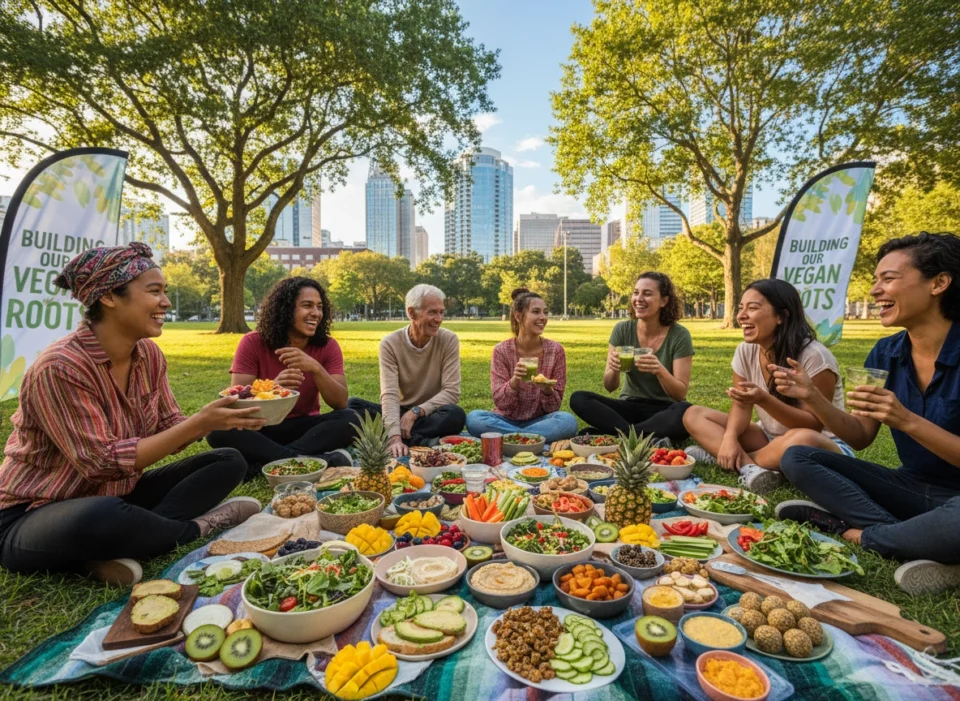
Choosing a vegan lifestyle is a personal journey, but it doesn’t have to be a solitary one. Having a network of like-minded individuals can provide encouragement, share knowledge, and create a sense of belonging. If you find yourself searching for this connection in your area, you have the power to create it. This guide provides a detailed blueprint for building a thriving and supportive vegan community right in your own city.
We will explore practical steps to turn your vision into a reality. You will learn how to identify local needs, organize engaging events, use social media effectively, partner with businesses, and ensure your new community is welcoming to everyone.
Identifying the Need and Laying the Foundation
Before you can build a community, you need to understand the local landscape. A little research goes a long way in ensuring your efforts are effective and meet a real need.
Assess the Existing Vegan Scene
Start by taking inventory. Are there already vegan groups, clubs, or frequent meetups in your city? A quick search on social media platforms like Facebook or dedicated apps like Meetup can reveal existing communities. Look for local vegan restaurants, cafes, and health food stores, as they often serve as informal hubs.
If you find active groups, consider joining them first. You might discover the community you’re looking for already exists. You can contribute your energy to helping it grow. If existing groups are inactive or don’t align with your vision, you have identified a clear opportunity to start something new.
Define Your Community’s Mission
What is the primary purpose of the group you want to create? Your mission will guide your activities and attract the right people. Are you focused on social gatherings, activism, recipe sharing, or supporting new vegans?
Consider a simple mission statement to keep your efforts focused. For example: “To create a friendly and inclusive space for vegans in [Your City] to connect, share experiences, and explore local plant-based options together.” This clarity will help you make decisions and communicate your group’s purpose to potential members.
Organizing Engaging Events
Events are the lifeblood of any community. They provide the structure for people to connect in person and build genuine relationships. Start simple and build momentum as your group grows.
Start with Simple, Accessible Meetups
Your first few events should be low-pressure and easy for people to attend. The goal is to get people talking and comfortable with one another.
- Coffee Shop Meetups: Choose a cafe with good plant-based milk options. A casual coffee meetup on a weekend morning is an easy first step.
- Park Potlucks: A potluck is a classic for a reason. It encourages participation, showcases members’ cooking skills, and is a budget-friendly way to share a delicious vegan meal. Ask attendees to bring a list of ingredients for their dish to accommodate allergies.
- Restaurant Visits: Organize a group dinner at a vegan-friendly or fully vegan restaurant. This supports local businesses and gives members a chance to try new foods without the pressure of cooking.
Diversify Your Event Calendar
Once you have a core group of regular attendees, you can introduce more varied activities to keep things interesting and appeal to a wider range of people.
- Cooking Classes or Workshops: Host a session where members can learn to make vegan cheese, bake bread, or master a specific type of cuisine. You could invite a local chef or have a skilled member lead the class.
- Activism and Volunteering: For members interested in advocacy, organize group attendance at animal rights demonstrations, volunteer days at a local farm sanctuary, or outreach events like handing out vegan food samples.
- Book Clubs and Film Screenings: Choose a book or documentary related to veganism, animal rights, or environmentalism. Host a discussion group to explore the topics in depth. This can foster deeper conversations and educational opportunities.
Leveraging Social Media and Digital Tools
In today’s world, a strong online presence is essential for building and managing a community. It’s how people will discover your group and stay informed about its activities.
Choose the Right Platform
A private Facebook Group is one of the most effective tools for community management. It allows you to approve new members, post event details, and foster discussions in a controlled environment. You can create polls to gauge interest in activities, share photos from events, and create a space for members to ask questions.
An Instagram account is also valuable for visually showcasing your community. Post high-quality photos from your events, spotlight local vegan businesses, and use relevant hashtags like #[YourCity]Vegan or #[YourCity]PlantBased to increase visibility.
Create Engaging Online Content
Your online space should be more than just an event calendar. Encourage daily interaction to keep the community connected between meetups.
- Daily Prompts: Ask simple questions like “What’s for dinner tonight?” or “Share your favorite vegan snack!”
- Member Spotlights: Feature a member (with their permission) and share a little about their vegan journey.
- Resource Sharing: Post links to new vegan products found locally, interesting articles, or helpful cooking tips.
This consistent engagement builds a sense of daily connection and reinforces the supportive nature of the group.
Collaborating with Local Businesses
Partnering with local businesses can provide unique benefits for your members and help integrate your community into the city’s fabric.
Identify Vegan-Friendly Partners
Make a list of businesses that align with your community’s values. This includes not only vegan restaurants and cafes but also health food stores, yoga studios, ethical clothing boutiques, and farmers’ markets.
Approach the owners or managers and introduce your community. Explain that you want to support their business and explore ways to work together. Most small business owners are happy to connect with a dedicated local customer base.
Create Mutually Beneficial Partnerships
Propose collaborations that benefit both your members and the business.
- Exclusive Discounts: Ask if the business would offer a small discount (e.g., 10% off) to members of your group. This provides a tangible perk for joining and drives business to your partner.
- Co-Hosted Events: Plan an event at their location. For example, a “Vegan Wine and Cheese Night” at a local wine bar that offers vegan options or a special tasting menu at a restaurant.
- Sponsorships: For larger events like a vegan festival, you could seek sponsorship from local businesses. In return, you can offer them brand visibility through your social media channels and at the event itself.
Fostering an Inclusive and Welcoming Environment
The long-term success of your community depends on its culture. A supportive group is one where every member feels respected, welcome, and safe.
Set Clear Community Guidelines
From the beginning, establish a code of conduct for both online and in-person interactions. This should be a condition of joining the group. Key points to include are:
- Respect for All: Emphasize a zero-tolerance policy for shaming, judgment, and elitism. Everyone’s vegan journey is different.
- Positive and Supportive Tone: Encourage constructive conversations and discourage negativity.
- Inclusivity: Explicitly state that the community is open to everyone, regardless of their background, identity, or how long they’ve been vegan. Welcome the “vegan-curious” as well.
Lead by Example
As the founder and organizer, your behavior sets the tone. Be the first to welcome new members. Actively listen during conversations and make an effort to connect with people who may be shy or new. When conflicts arise, address them promptly and fairly based on your established guidelines. Your positive leadership will inspire others to contribute to a healthy and supportive atmosphere.
Building a vegan community is a rewarding endeavor that strengthens the local plant-based movement and creates lasting friendships. Start small, be consistent, and focus on creating a space where everyone feels they belong. Your effort can create a vital support system that helps veganism flourish in your city for years to come.
Please visit this website for more info.
