
Meta Title: Environmental Impact of Air Pollution: A Complete Guide
Meta Description: Discover the severe environmental impact of air pollution on ecosystems and health, plus actionable strategies and solutions to combat it effectively.
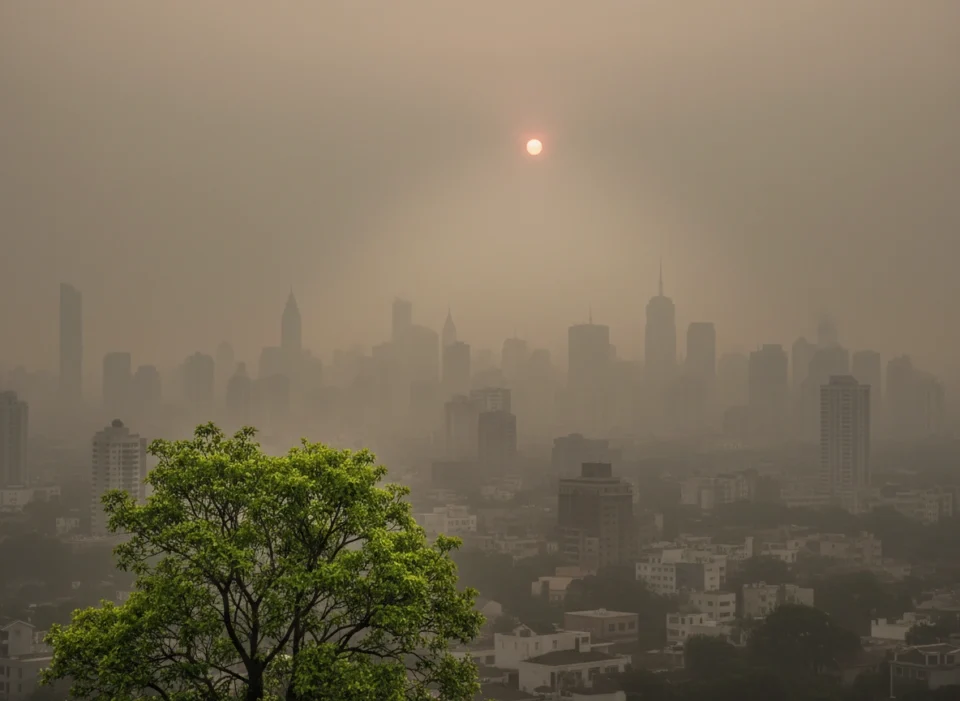
Air pollution often feels like an invisible enemy. We might see smog hovering over a city skyline or notice a hazy horizon on a hot summer day, but the true depth of the crisis remains largely unseen. It is not just about dirty air; it is a complex chemical assault on the delicate systems that sustain life on Earth.
From the microscopic particulate matter entering our lungs to the greenhouse gases warming our oceans, the reach of air pollution is vast and indiscriminate. This article explores the profound environmental consequences of air pollution, its ripple effects on biodiversity and human health, and the critical strategies required to combat it. By understanding the gravity of the situation, we can better appreciate the urgency of the solutions at hand.
Unmasking the Culprits: Sources of Air Pollution
To solve a problem, we must first understand its origins. Air pollution is rarely the result of a single source. Instead, it is a toxic cocktail of gases and particles released by both human activities and natural processes.
Anthropogenic Sources
Human activity is the primary driver of modern air pollution. The burning of fossil fuels—coal, oil, and natural gas—for electricity, transportation, and industrial processes releases vast amounts of carbon dioxide (CO2), sulfur dioxide (SO2), and nitrogen oxides (NOx).
- Transportation: Vehicles are a major contributor, particularly in urban areas. Exhaust fumes release nitrogen dioxide and particulate matter (PM2.5 and PM10), which are notoriously harmful to respiratory health.
- Industry and Manufacturing: Factories and power plants emit significant quantities of chemical pollutants. Even agricultural practices contribute, releasing methane and ammonia into the atmosphere.
- Waste Management: Landfills produce methane, a potent greenhouse gas, while the incineration of waste releases harmful toxins like dioxins.
Natural Sources
While human impact is significant, nature also plays a role. Volcanic eruptions can spew ash and sulfur dioxide high into the stratosphere. Wildfires, which are becoming more frequent and intense due to climate change, release massive plumes of smoke and carbon. Dust storms in arid regions also transport particulate matter across continents, affecting air quality thousands of miles away.
The Environmental Consequences: A Planet Under Siege
The environmental impact of air pollution extends far beyond just “bad air.” It triggers a cascade of negative effects that disrupt ecosystems and accelerate planetary warming.
Accelerating Climate Change
Air pollution and climate change are two sides of the same coin. Many air pollutants are also “climate forcers.” Carbon dioxide is the most well-known, trapping heat in the atmosphere and driving global temperature rise. However, short-lived climate pollutants (SLCPs) like methane, black carbon, and ground-level ozone play a disproportionately large role.
Black carbon, or soot, settles on ice and snow, darkening the surface. This reduces the earth’s albedo effect (its ability to reflect sunlight), causing ice to melt faster and accelerating warming in polar regions. This creates a dangerous feedback loop where melting ice reveals darker land or water, which absorbs even more heat.
Acid Rain and Ecosystem Damage
When sulfur dioxide and nitrogen oxides combine with water vapor in the atmosphere, they create acid rain. This precipitation falls to earth and drastically alters the pH balance of soils and water bodies.
Forests are particularly vulnerable. Acid rain leaches aluminum from the soil, which is toxic to plants and trees. It also strips the soil of essential nutrients and minerals. The result is weakened forests that are more susceptible to disease, insects, and extreme weather. In aquatic environments, increased acidity can decimate fish populations and destroy sensitive coral reefs.
The Threat to Biodiversity
Air pollution places immense stress on biodiversity. Eutrophication, caused by excess nitrogen deposition from the air, disrupts the balance of nutrients in ecosystems. This often leads to algal blooms in water bodies, which consume oxygen and create “dead zones” where aquatic life cannot survive.
On land, high levels of ground-level ozone damage plant cells, inhibiting photosynthesis and stunting growth. This reduces crop yields and compromises the habitats that wildlife depend on for survival. Animals at the top of the food chain are also at risk as toxins accumulate in the tissues of their prey, leading to biomagnification.
Health Implications: The Cost to Life
The environmental impact of air pollution is inextricably linked to the health of all living things. The World Health Organization (WHO) estimates that air pollution is responsible for millions of premature deaths annually.
Human Health Risks
Breathing polluted air affects nearly every organ in the human body.
- Respiratory Issues: Long-term exposure leads to chronic respiratory diseases such as asthma, bronchitis, and reduced lung function. Fine particulate matter (PM2.5) can penetrate deep into lung tissue, causing inflammation and permanent damage.
- Cardiovascular Disease: Pollutants can enter the bloodstream, triggering heart attacks, strokes, and irregular heart rhythms. Research suggests a strong correlation between high pollution days and hospital admissions for cardiovascular events.
- Developmental Effects: Exposure during pregnancy is linked to low birth weight and preterm birth. Children growing up in polluted areas may suffer from stunted lung development, affecting their health for the rest of their lives.
Impact on Wildlife
Animals suffer similar fates. Respiratory distress, weakened immune systems, and reproductive failure are common in wildlife populations exposed to high levels of pollution. Birds are particularly sensitive; studies have shown that air pollution affects their respiratory systems and can even dull the vibrant plumage they rely on for mating, potentially leading to population declines.
Combatting the Crisis: Strategies and Solutions
While the situation is dire, it is not hopeless. Combating the environmental impact of air pollution requires a multi-faceted approach involving aggressive policy, innovative technology, and a shift in individual behaviors.
Policy and Regulation
Strong governance is the backbone of clean air. Governments must implement and enforce strict air quality standards.
- Carbon Pricing: Implementing carbon taxes or cap-and-trade systems forces industries to pay for their emissions, incentivizing them to switch to cleaner technologies.
- Stricter Emissions Standards: Regulations like the Euro standards for vehicles significantly reduce the amount of harmful exhaust allowed from cars and trucks.
- International Cooperation: Air pollution knows no borders. Agreements like the Paris Agreement are crucial for coordinating global efforts to reduce greenhouse gas emissions and SLCPs.
Technological Innovations
Technology offers powerful tools to clean our skies.
- Renewable Energy Transition: Shifting from fossil fuels to wind, solar, and hydroelectric power is the single most effective way to reduce air pollution. As battery storage technology improves, renewables are becoming reliable baseload power sources.
- Electric Mobility: The electrification of transport—cars, buses, and trains—eliminates tailpipe emissions. Coupled with a green energy grid, this creates a truly clean transportation sector.
- Carbon Capture and Storage (CCS): This technology captures CO2 emissions at the source (like a power plant) and stores it underground, preventing it from entering the atmosphere. While still developing, it holds promise for decarbonizing heavy industries like cement and steel production.
- Air Purification Towers: Some cities are experimenting with large-scale air purifiers that filter particulate matter from the ambient air, creating pockets of clean air in dense urban environments.
The Role of Corporate Responsibility
Businesses play a pivotal role. Adopting sustainable supply chains, investing in green manufacturing, and committing to net-zero emission targets are no longer optional—they are business imperatives. Companies that prioritize environmental stewardship often find that efficiency improvements also boost their bottom line.
Individual Actions
Individual choices, when aggregated, drive systemic change.
- Reduce Energy Consumption: Simple acts like using energy-efficient appliances, insulating homes, and turning off lights reduce the demand on power plants.
- Choose Sustainable Transport: Walking, cycling, carpooling, or using public transit reduces the number of vehicles on the road.
- Support Green Policies: Voting for leaders who prioritize environmental protection and supporting businesses with sustainable practices sends a clear message to decision-makers.
Conclusion: Clearing the Air for a Sustainable Future
The environmental impact of air pollution is a defining challenge of our time. It degrades our ecosystems, destabilizes our climate, and shortens lives. Yet, the path forward is clear. We possess the knowledge, technology, and policy frameworks necessary to turn the tide.
Transitioning to a clean-air economy is not just an environmental necessity; it is an opportunity to build a healthier, more resilient society. By reducing our reliance on fossil fuels and embracing sustainable practices, we protect biodiversity, improve public health, and ensure that future generations inherit a planet where breathing is not a health risk. The cost of inaction is too high. The time to clear the air is now.Please click here for more info.
You may also read: How to Choose the Perfect Name for Your New Puppy
